





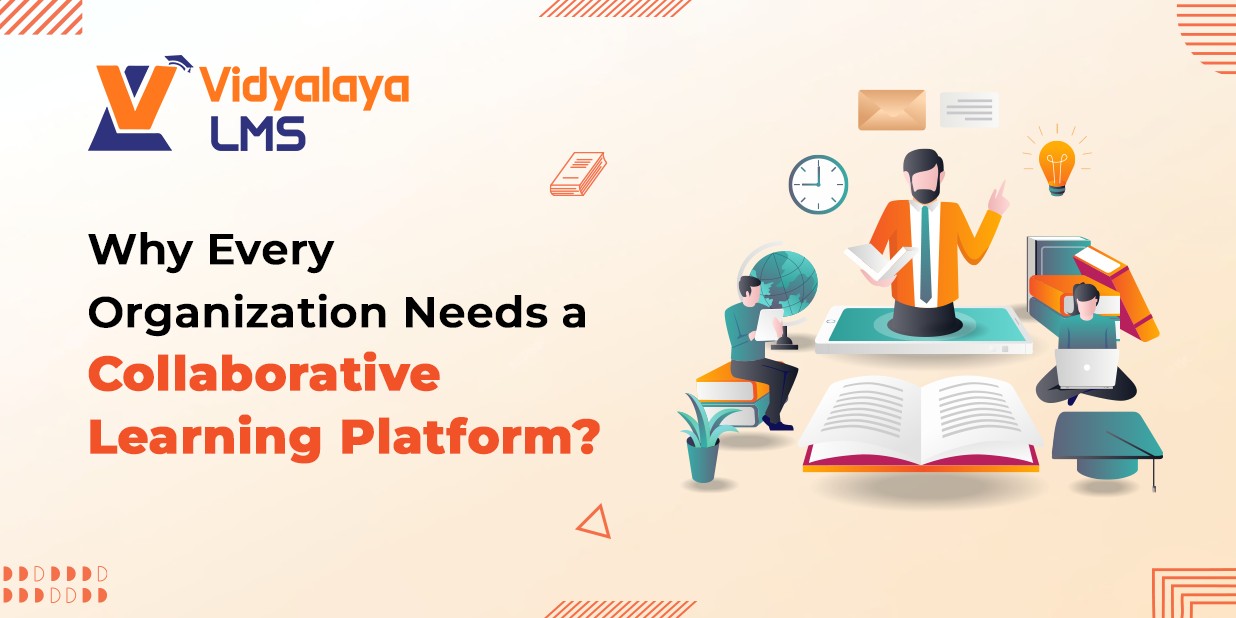
Organizations today are moving beyond traditional training methods that depend solely on individual courses, workshops, or instructor-led sessions. Workplace learning increasingly happens through interactions with managers, peers, subject matter experts, and real-world experiences. Businesses that encourage knowledge sharing and collaboration can build stronger teams while creating a culture of continuous learning and professional development. A Collaborative Learning Platform provides a structured digital environment where employees can learn from one another, exchange knowledge, and contribute to shared organizational growth.
A Collaborative Learning Software enables employees to communicate, share resources, exchange ideas, participate in discussions, and collaborate regardless of their department, location, or time zone. Instead of making training a one-way process, organizations can leverage a Social Learning Platform, Team Learning Platform, or Peer-to-Peer Learning Platform to encourage active participation and knowledge exchange. Every employee brings unique skills, experiences, and expertise that can create valuable learning opportunities for colleagues. By providing the right digital environment, businesses can transform employee training from a traditional delivery model into a continuous learning ecosystem that supports collaboration, knowledge sharing, employee development, and long-term organizational growth.
What Is Collaborative Learning?
It is a learning approach where individuals work together to understand concepts, solve problems, exchange knowledge, and achieve common learning goals.
In a workplace, collaboration can happen through:
- Group discussions
- Team projects
- Knowledge-sharing sessions
- Online communities
- Peer feedback
- Discussion forums
- Shared learning activities
This approach gives employees an opportunity to learn not only from formal training content but also from the experience and knowledge of their colleagues.
Why Organizations Need a Collaborative Learning Platform?
It provides a centralized space where employees can participate in learning activities and interact with other learners.
It can help organizations:
- Encourage knowledge sharing
- Improve employee participation
- Connect distributed teams
- Support continuous learning
- Create stronger learning communities
- Make training more interactive
When people actively engage in learning process rather than just absorb information provided, training becomes more related to daily work.
How Collaborative Learning Software Can Help Employee Development?
It’s convenient way to organize group learning and interactions among employees. They will be able to discuss courses, share helpful sources, ask questions and give comments to colleagues. Also, trainers can create tasks for the group and follow their activity. Thus, learning process becomes more engaging and provides the opportunity for learning from various perspectives.
A Social Learning Platform introduces elements of social interaction into professional training process. The platform allows communication with colleagues, participation in discussions, knowledge sharing and acknowledgment of useful contribution.
Learning from social perspective may prove especially effective in cases when employees face problems at work. They can get help right away without going to scheduled training course.
Building Stronger Teams Through a Team Learning Platform
It can help employees develop skills while working toward common objectives.
Teams can participate in:
- Collaborative assignments
- Group discussions
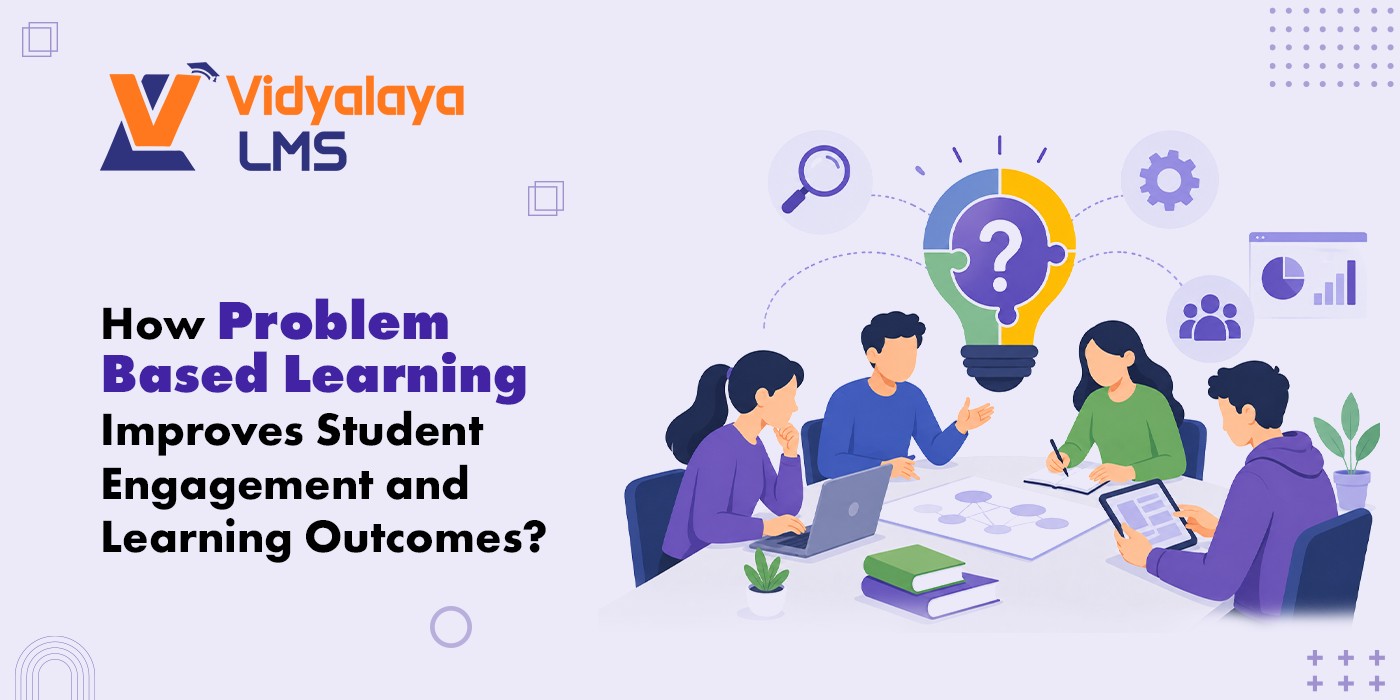
- Problem-solving activities
- Project-based learning
- Knowledge-sharing sessions
- Team assessments
These activities can improve communication and encourage employees to understand different approaches to solving problems.
Benefits of Peer-to-Peer Learning
Peer-to-Peer Learning allows employees to learn directly from colleagues who have relevant experience or expertise.
For example, an experienced employee can share practical knowledge with a new team member, while employees from different departments can exchange ideas about processes and best practices.
This approach can:
- Improve knowledge sharing
- Encourage employee participation
- Develop communication skills
- Build stronger workplace relationships
- Preserve organizational knowledge
It also helps the staff gain a chance to be contributors rather than only learners.
Collaborative eLearning in the Modern Business Setting
It includes digital learning with interaction and cooperation. Staff members can engage in online learning programs while at the same time discussing issues, doing teamwork, and sharing experience.
It is particularly beneficial in those companies which have remote or hybrid workforce. The staff does not necessarily need to gather in one workplace to study.
A collaborative digital learning environment helps businesses to offer consistent training despite having human interaction.
Ways in Which Organizations Can Foster a Collaborative Learning Culture
It involves organizations encouraging employees to share knowledge.
Some effective practices include:
Encourage knowledge sharing
Give employees opportunities to share experiences and best practices.
Create group learning activities
Use projects and discussions to encourage teamwork.
Recognize participation
Appreciate employees who actively contribute to learning communities.
Provide accessible digital resources
Make learning materials available whenever employees need them.
Track engagement
Monitor participation to understand which learning activities are most effective.
When these practices become part of everyday work culture, learning becomes continuous rather than limited to occasional training sessions.
Conclusion
Collaborative learning is becoming an important part of modern employee development, helping organizations create a more connected, engaged, and knowledge-driven workforce. By bringing together formal training, peer interaction, knowledge sharing, and team-based activities, businesses can make learning more practical and aligned with everyday workplace needs. The right digital learning solution can also help organizations support remote and hybrid teams, improve employee participation, preserve organizational knowledge, and build a sustainable culture of continuous learning.
For organizations looking to make workplace learning more interactive, collaborative, and measurable, Vidyalaya LMS provides a comprehensive solution designed to support modern learning and development needs. With features that enable knowledge sharing, employee engagement, collaborative activities, and continuous learning, businesses can create a more effective learning environment for their workforce. Contact us today for a free demo of Vidyalaya LMS and discover how you can transform your organization’s learning experience.