







Digital education is no longer limited to schools and universities. Today, coaching institutes, corporate training programs, independent educators, certification bodies, and even government initiatives rely on digital platforms and a Learning Management System to deliver structured learning experiences.
However, with the growing number of tools and platforms, managing user access has become increasingly complex. Learners often need to juggle multiple logins across different systems, which can negatively impact both usability and productivity.
This is where Single Sign-On (SSO) becomes a game-changer. Implementing SSO functionality allows organizations to streamline access, improve security, and create a seamless learning experience. Instead of remembering multiple passwords, users can log in once and access all their learning resources effortlessly.
Understanding LMS SSO:
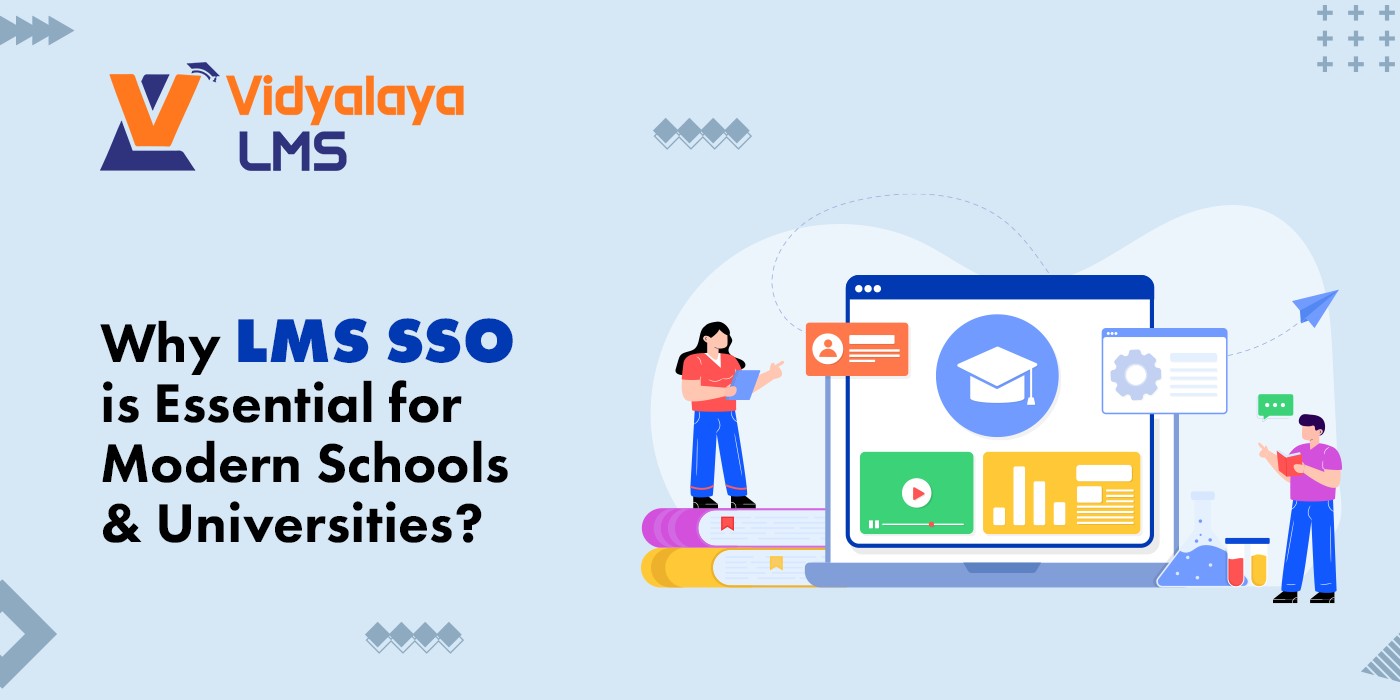
SSO (Single Sign-On) enables users to authenticate once and gain access to multiple connected platforms without repeated logins.
In a typical setup, users can access:
- Virtual classrooms
- Assignment portals
- Content libraries
- Analytics dashboards
- Training tools
All through a single authentication process.
Without SSO for LMS, users must maintain separate credentials for each platform, increasing friction and reducing efficiency
Why Modern Learning Environments Need SSO?
Today’s digital learning ecosystems integrate with various tools such as:
- Video conferencing platforms
- Content repositories
- Student information systems
- HR software
- Analytics tools
Managing access across these systems without a unified login can be challenging for both users and administrators.
SSO in Learning Management Systems simplifies this by connecting all platforms under one authentication layer, ensuring a cohesive and efficient experience.
Key Benefits of LMS SSO:
1. Simplified Login Experience:
One of the most noticeable benefits is convenience. Users only need one set of credentials to access all connected tools.
This eliminates login fatigue and significantly improves user satisfaction.
2. Enhanced Security:
SSO strengthens security by centralizing authentication. Organizations can implement:
- Multi-factor authentication (MFA)
- Secure identity providers
- Unified access policies
This reduces the risk associated with weak or reused passwords across multiple platforms.
3. Reduced IT Support Load:
Password resets are a major burden on IT teams. With a single login system in place, users are less likely to encounter access issues.
This leads to fewer support tickets and improved operational efficiency.
Comparison: LMS With SSO vs Without SSO
Feature |
LMS System Without SSO |
LMS With Single Sign-On (SSO) |
| Login Credentials |
|
|
| User Experience |
|
|
| Security Management |
|
|
| IT Support Requests |
|
|
| Platform Integration |
|
|
Who Benefits from LMS SSO?
SSO is valuable across a wide range of sectors:
- Educational Institutions: Students and teachers can access resources, assignments, and tools with a single login.
- Universities & Colleges: Large-scale user management becomes easier and more secure.
- Coaching Centers & Training Institutes: Simplifies access for learners enrolled in multiple courses.
- Corporate Training Programs: Employees can seamlessly access internal training platforms without login barriers.
- Online Learning Platforms: Improves onboarding and ensures a smoother user journey.
How SSO Improves Learning Productivity?
Reducing login friction allows learners to focus on what truly matters—learning.
By integrating SSO, organizations can:
- Increase course completion rates
- Improve user engagement
- Boost platform adoption
- Minimize access-related interruptions
A streamlined system ensures that users spend more time learning and less time navigating technical hurdles.
Future of Digital Learning with SSO:
As digital education continues to expand, SSO will become a standard requirement rather than an optional feature.
Organizations are increasingly prioritizing:
- Secure authentication systems
- Seamless user experiences
- Integration across platforms
Adopting SSO helps create scalable, secure, and user-friendly ecosystems that support long-term growth.
Final Thoughts:
From a business perspective, implementing SSO is more than just a technical enhancement—it’s a strategic decision that drives efficiency, strengthens security, and improves user experience. By reducing login friction and centralizing authentication, organizations can lower IT support costs, enhance productivity, and ensure smoother access to learning resources. A well-integrated Learning Management System with SSO also enables scalability, making it easier to manage growing users, platforms, and training programs without added complexity.
As digital learning continues to expand, businesses that invest in streamlined access and secure systems will stay ahead of the curve. Simplifying how users interact with training platforms directly impacts engagement, completion rates, and overall success. If you’re ready to upgrade your digital learning experience, contact us for a free demo and explore how Vidyalaya LMS can help you build a smarter, more efficient learning experience.