







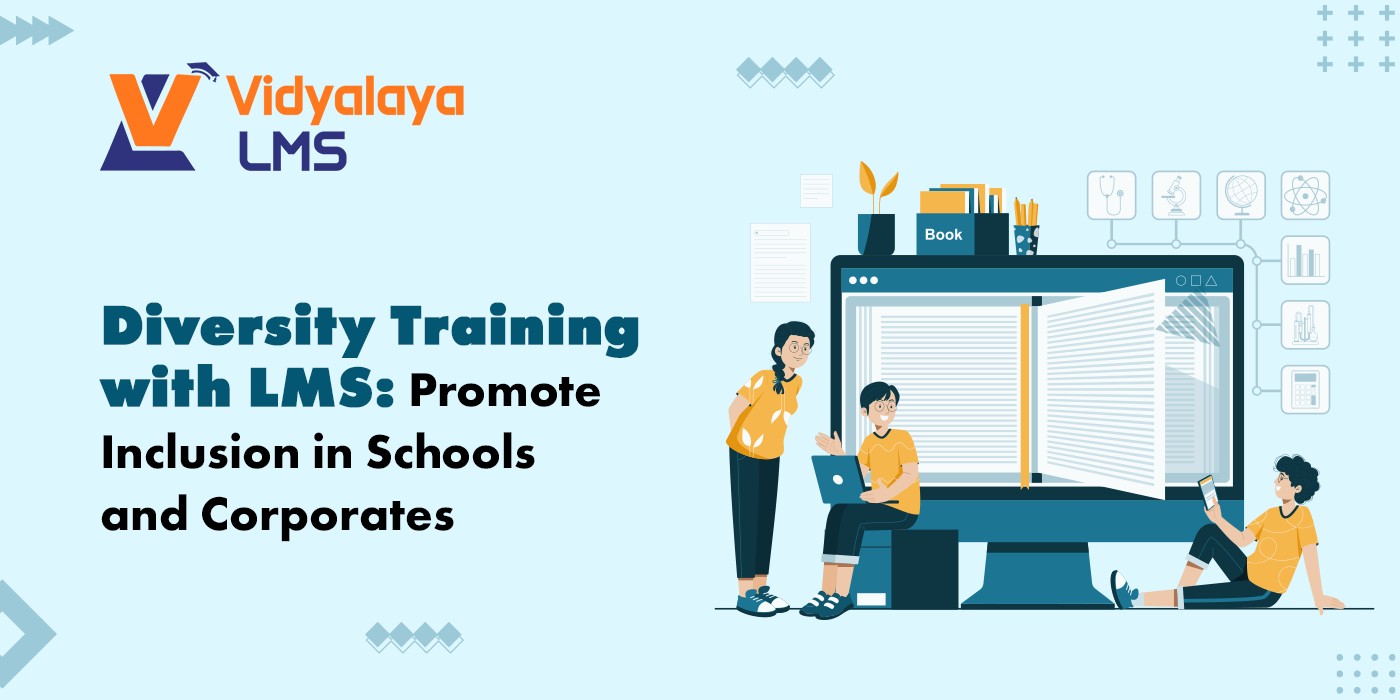
Creating an inclusive and equitable environment, where every individual feels valued and respected, is no longer optional—it is essential for the growth and success of any institution. Whether in schools shaping young minds or corporate organizations driving innovation, Diversity and Inclusion (D&I) Training plays a pivotal role in fostering a culture of understanding, empathy, and collaboration.
In today’s digital age, Learning Management Systems (LMS) have transformed the way organizations deliver and manage diversity programs. An LMS provides a centralized platform to design, implement, and track training modules, ensuring that learners not only participate but also grasp the core principles of inclusion. From automated progress tracking to interactive learning modules, these systems make diversity training measurable, scalable, and effective.
This blog will dive into how an LMS supports Diversity and Inclusion initiatives, helping schools and corporates create more inclusive environments. We’ll also explore why modern digital tools, such as Online Training Platforms and Online Training and Placement Management Systems, are becoming the go-to solutions for institutions seeking to elevate learning outcomes and build a workforce or student body that truly values diversity.
Why Diversity Training Matters?
Diversity Training goes far beyond simply teaching people to accept differences—it equips individuals with the knowledge and skills to recognize unconscious biases, communicate respectfully, and foster safe and inclusive environments. By addressing both conscious and unconscious behaviours, these programs help create workplaces and educational spaces where everyone feels valued, respected, and empowered to contribute their best.
In schools, diversity training cultivates empathy among students, encourages understanding across different cultures, and reduces incidents of bullying or discrimination. It helps young learners develop the emotional intelligence and social skills needed to thrive in a diverse society.
In corporate settings, effective diversity programs are linked to improved teamwork, enhanced creativity, and higher overall productivity. Organizations that invest in inclusion see stronger collaboration across teams, better decision-making through diverse perspectives, and greater employee satisfaction and retention. Moreover, a diverse and inclusive workplace strengthens a company’s reputation and aligns with modern social and ethical standards.
With the help of a Learning Management System (LMS), schools and corporates can systematically deliver diversity training, track progress, and ensure that inclusion becomes a measurable and sustained part of their culture.
How LMS Enhances Diversity Training?
A Learning Management System transforms traditional workshops into dynamic learning experiences. When paired with Workplace diversity programs, an LMS creates measurable, consistent, and scalable outcomes.
Here’s how an Online Training Platform boosts Inclusion:
- Self-paced modules: Learners absorb topics at their own comfort level.
- Interactive content: Videos, quizzes, and scenarios enhance retention.
- Progress tracking: Organizations can measure Diversity Training Benefits easily.
- Certification: Helps validate participation and compliance.
Diversity Training with LMS vs Traditional Training:
Feature / Criteria |
LMS-Based Diversity Training |
Traditional Diversity Training |
| Accessibility |
|
|
| Scalability |
|
|
| Tracking & Reports |
|
|
| Engagement |
|
|
| Integration |
|
|
Incorporating Workplace Diversity Programs in Schools
Schools today face the unique challenge of providing bias-free education to students who come from diverse cultural, social, and economic backgrounds. Incorporating workplace-style diversity programs in schools can help bridge these differences, fostering an environment of respect, inclusion, and mutual understanding from an early age.
By implementing structured diversity training, schools can teach students to recognize and overcome unconscious biases, communicate effectively with peers from different backgrounds, and collaborate respectfully in group activities. These programs also help educators identify and address systemic inequities in teaching practices, curricula, and classroom management.
Ultimately, introducing workplace-style diversity programs in educational institutions equips students with essential life skills, preparing them to thrive in multicultural workplaces and society at large. By fostering inclusion early, schools lay the foundation for empathetic, socially responsible, and culturally aware future leaders.
Corporates and Diversity Training: A Long-Term Investment
In corporate cultures, diverse teams are known to be more creative and productive. Using an Online Training Platform to manage Workplace diversity programs helps companies:
- Reduce conflicts
- Improve communication
- Foster innovation
- Boost employee morale
These Diversity Training Benefits ultimately shape a stronger brand reputation and employee loyalty.
Conclusion:
Diversity and inclusion are no longer just HR initiatives—they are strategic imperatives that shape the culture, productivity, and long-term success of schools and corporates alike. Implementing structured Diversity Training through a modern Learning Management System ensures that your organization or institution can deliver consistent, engaging, and measurable learning experiences that truly drive inclusion. From self-paced modules and interactive content to progress tracking and certifications, an LMS makes fostering diversity scalable and effective.
Investing in an LMS-based diversity program is not just about compliance—it’s about building a culture where every individual feels valued, empowered, and equipped to contribute their best. Whether you are a school preparing students for a multicultural world or a corporate aiming to boost collaboration and innovation, Vidyalaya LMS can help you achieve your goals.
Contact us today for a free demo and discover how our LMS can transform your diversity training initiatives into lasting impact.