







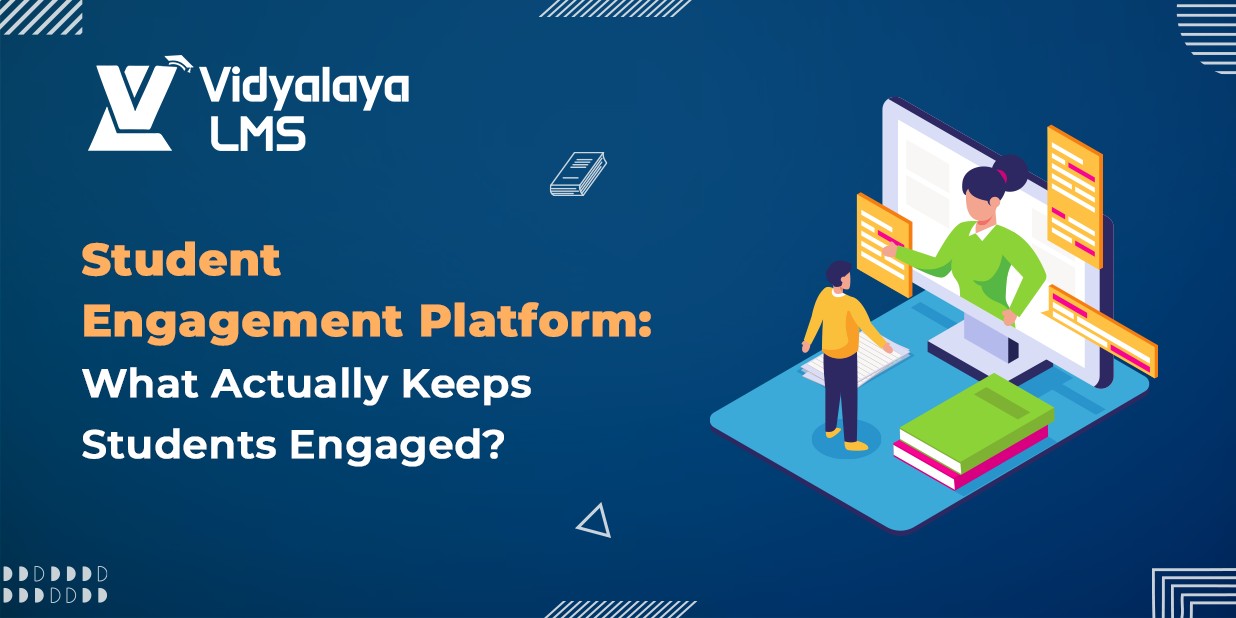
Student engagement is a critical factor in improving learning outcomes, strengthening student participation, and achieving academic success. However, traditional teaching methods often struggle to maintain consistent engagement among students with diverse learning styles, needs, and preferences. Educational institutions need effective strategies to create interactive, personalized, and learner-centric experiences that encourage active participation and improve knowledge retention.
A robust Student Engagement Platform integrated with a Learning Management System (LMS) enables institutions to transform the learning experience through interactive content, real-time assessments, seamless communication, and progress tracking. By leveraging the right digital learning tools, schools, colleges, and universities can identify learning gaps, encourage collaboration, and monitor student performance more effectively. In this blog, we explore the key factors that drive student engagement and how technology can help educational institutions create more engaging, impactful, and outcome-driven learning environments.
What Is a Student Engagement Platform?
It means the online platform where the educational institution can encourage the participation of students and make interaction possible between the students and teachers. The platform encompasses different types of learning and engagement tools.
The teachers do not necessarily need to depend entirely on the in-class sessions for teaching the students but use digital platforms for the purpose of different types of learning. In this manner, the students get to engage in learning and discussions about the issues related to the learning system of the institution.
Important capabilities may include:
- Interactive learning materials and multimedia content.
- Online quizzes, assignments, and assessments.
- Communication tools for teachers and students.
- Progress monitoring and performance reports.
- Collaborative activities and discussion opportunities.
- Flexible access to learning resources.
These features help institutions create learning environments in which students can participate more actively and take greater responsibility for their education.
Why Do Students Lose Interest in Learning?
Student disengagement can be due to several factors. Identifying them is key to developing good teaching practices.
1. Rote instruction
The usage of one technique throughout the lesson process can sometimes cause some problems for learners who have difficulty staying concentrated on the lesson. Variety can make lessons more exciting.
2. Interaction is lacking
Not having enough chances to ask questions, share thoughts, and interact with other learners may lead to difficulty being engaged in the lesson.
3. Late feedback
Learners might have problems with finding out their mistakes and the things which they should improve because there was no feedback provided on time.
4. Individual needs of the learners
Each learner has individual learning pace. Someone requires extra explanation, while someone needs extra tasks to solve or practical work. One method may not satisfy all these needs.
5. Lack of progress visibility
Students can lose motivation due to the inability to see the result of their efforts. Showing them accomplished tasks, results of assessments, and their progress can motivate them further
Key Factors That Actually Keep Students Engaged
Technology assists in enhancing student engagement; however, there is a need to consider factors such as how well teachers facilitate learning.
1. Interactive Learning Materials
Learners become more engaged in learning when they get a chance to learn various concepts using video presentations, diagrams, presentations, simulations, and exercises. Using interactive learning material enables learners to understand difficult subjects in various ways.
A science teacher can, for instance, use writing, visuals, and quizzes to teach. This will ensure that students think about the subject being taught rather than just reading about it.
2. Personalized Learning
Differences can be noted among individuals about ability level, areas of interest, and the need for education. Individualized learning experience involves providing learning materials that are relevant to the learner’s progress level and more exercise sessions.
Individualized learning makes the learning process flexible while maintaining academic standards.
3. Regular Feedback and Acknowledgment
Feedback will help students know what they do well and what needs improvement. Mini-test, assignment feedback, test performance, and personal feedback will help to make the whole process clear.
Acknowledgment of students will also motivate them. The teacher may appreciate the efforts of the students, their progress, cooperation, and completion of assignments. This will help to motivate students besides rewarding good grades.
4. Collaboration and Communication
The process of learning is enhanced by interaction with others who have similar ideas and whom one can learn from. Group tasks, class discussions, reviews by peers, and other forms of collaborations promote communication and analysis.
The same applies to the need for communication between teachers and their pupils. Pupils should be encouraged to ask questions and raise their concerns in a learning process.
5. Clear Goals and Progress Tracking
Learners are more motivated if they know what they are expected to learn. Dividing a large theme into smaller goals will facilitate the process.
The dashboard and the summary of assessment may serve the purpose of tracking the achievements and the assignments for the future, highlighting the problem areas for the learner.
How Student Engagement Software Supports Better Learning?
The Student Engagement Software could provide learning activities, communications, assessments, and progress reports all at once in a single digital space. This could eliminate the necessity of working with various separate tools and would allow the educator to plan learning better.
Depending on the capabilities of the software, it could assist in:
- Access management
Allowing students to access learning materials and activities via a central platform; - Participation encouragement
Quizzes, assignments, and engaging material offer active learning possibilities;
- Communication improvement
Using digital means for sending instructions, updates, and feedback; - Performance monitoring
Generating reports that show participation, assessment results, and unfinished activities; - Timely assistance
Use of current learning data to identify the students that need further assistance; - Learning flexibility
Using digital learning resources helps the learners to revise the concepts learned and study further irrespective of their classroom sessions.
However, technology alone cannot ensure engagement. It is the teacher’s usage of the technology in achieving the desirable result.
Conclusion:
Improving student engagement requires a combination of effective teaching strategies, interactive learning experiences, timely feedback, and the right digital tools. A reliable Student Engagement Platform powered by a Learning Management System (LMS) helps educational institutions streamline learning activities, encourage active participation, track student progress, and identify learners who need additional support. By adopting a technology-driven approach, schools, colleges, and universities can create more personalized, collaborative, and engaging learning environments while improving academic outcomes and operational efficiency.
Vidyalaya LMS empowers educational institutions with digital learning solutions designed to simplify learning management, enhance student engagement, and support better learning outcomes. Whether you want to make learning more interactive, improve communication between teachers and students, or monitor academic progress more effectively, Vidyalaya LMS can help you achieve your institutional goals. Contact us today for a free demo and discover how Vidyalaya LMS can transform your teaching and learning experience.