







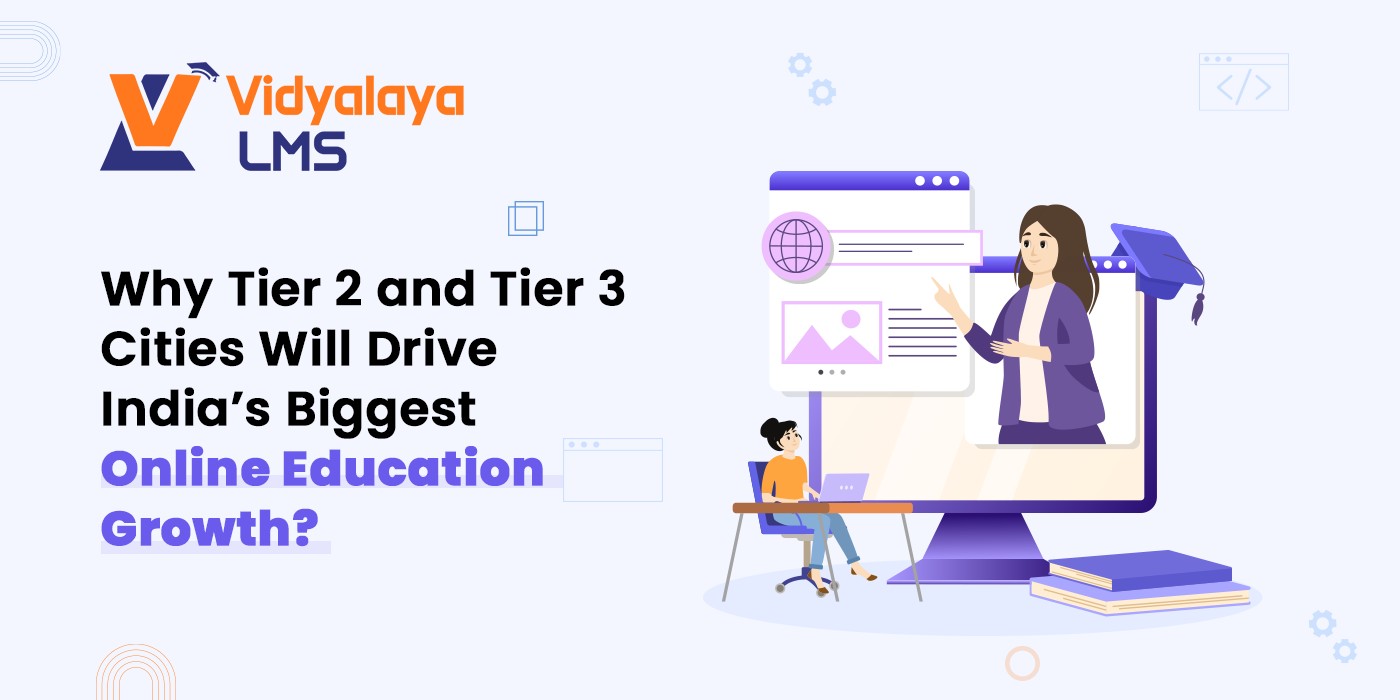
India’s online education revolution is no longer limited to metro cities like Delhi, Mumbai, or Bengaluru. Over the past few years, Tier 2 and Tier 3 cities have emerged as the strongest growth engines for the country’s digital learning ecosystem. From small towns in Uttar Pradesh and Rajasthan to emerging urban centers in Tamil Nadu and Odisha, learners are increasingly turning to online education to upskill, reskill, and secure better career opportunities.
But what is fueling this massive shift? Let’s explore why Tier 2 and Tier 3 cities are set to drive India’s biggest online education growth in the coming years.
Changing Face of Education in India:
Traditionally, quality education and specialized coaching were concentrated in metropolitan areas. Students from smaller cities often had to relocate, spending significant money on living expenses and tuition. Online education has changed this dynamic entirely.
Today, a student in a Tier 3 town can access the same high-quality content, expert faculty, and certifications as a student in a metro city—without leaving home. This democratization of education is one of the biggest reasons behind the rapid adoption of online learning in non-metro regions.
Rising Internet and Smartphone Penetration:
One of the strongest drivers of online education growth in Tier 2 and Tier 3 cities is affordable internet access. With the widespread availability of low-cost smartphones and budget-friendly data plans, digital connectivity has reached even the most remote regions of India.
As internet speeds improve and 4G and 5G networks expand, students can seamlessly attend live classes, watch recorded lectures, and participate in online assessments. This infrastructure boost has made online education not just accessible, but also reliable for learners outside major cities.
Growing Aspirations Among Youth:
Youth in Tier 2 and Tier 3 cities are more ambitious than ever. Exposure to social media, digital platforms, and success stories has significantly raised career aspirations. Students now aim for careers in technology, data science, digital marketing, finance, healthcare, and competitive government exams.
Online education platforms cater perfectly to these ambitions by offering industry-relevant courses, skill-based training, and exam-oriented programs. For many learners, online education is seen as the fastest and most cost-effective path to upward mobility.
Cost-Effective Learning Compared to Offline Institutions:
Affordability plays a major role in the popularity of online education in smaller cities. Offline coaching institutes in metro areas are often expensive, and relocation adds to the financial burden.
Online courses, on the other hand, are significantly more affordable and offer flexible payment options. Students can access high-quality education at a fraction of the cost, making digital learning especially attractive for middle-income families in Tier 2 and Tier 3 cities.
Flexibility for Students and Working Professionals:
Another major advantage of online education is flexibility. Many learners in non-metro cities balance studies with part-time jobs, family responsibilities, or local employment.
Online education allows students to:
- Learn at their own pace
- Revisit recorded sessions anytime
- Choose schedules that fit their daily routines
This flexibility makes online learning suitable not just for students, but also for working professionals and homemakers looking to upgrade their skills.
Regional Language and Localized Content:
Earlier, the lack of regional-language content limited online education adoption in smaller cities. Today, this barrier is rapidly disappearing.
EdTech platforms are increasingly offering courses in Hindi, Tamil, Telugu, Marathi, Bengali, and other regional languages. Localized content helps learners better understand complex topics and feel more confident while learning, driving higher engagement and completion rates in Tier 2 and Tier 3 regions.
Government Initiatives and Digital Push:
Government initiatives have played a crucial role in accelerating online education growth across India. Programs like Digital India, SWAYAM, DIKSHA, and the National Education Policy (NEP) emphasize technology-enabled learning and skill development.
These initiatives encourage students from smaller cities to adopt online platforms for higher education, competitive exam preparation, and vocational training. Public-private partnerships are further strengthening digital education infrastructure in non-metro areas.
Increased Trust in Online Education Platforms:
In the early days, many parents and students were skeptical about the effectiveness of online education. Today, that perception has changed dramatically.
With recognized certifications, placement support, real-world projects, and success stories, online education platforms have gained credibility. As more students from Tier 2 and Tier 3 cities achieve career success through online learning, trust continues to grow, creating a positive cycle of adoption.
Role of EdTech Innovation:
Technological advancements such as AI-powered personalization, adaptive learning, gamification, and interactive assessments are making online education more engaging and effective.
For students in smaller cities, platforms like Vidyalaya LMS replicate—and in some cases surpass—the classroom experience. Personalized learning paths help students overcome academic gaps and progress at their own speed, further boosting outcomes and satisfaction.
Future Outlook: Tier 2 and Tier 3 Cities as Growth Leaders
Looking ahead, Tier 2 and Tier 3 cities are expected to contribute the largest share of new online education users in India. As connectivity improves, regional content expands, and career-focused courses gain popularity, these cities will become the backbone of India’s digital learning economy.
EdTech companies, educators, and policymakers who focus on the unique needs of non-metro learners will be best positioned to tap into this massive growth opportunity.
Conclusion:
Tier 2 and Tier 3 cities are rapidly becoming the driving force behind India’s online education growth, fueled by affordable internet access, rising career aspirations, and growing trust in digital learning. For educational institutions and training providers, this shift presents a powerful opportunity to expand reach beyond metro cities and connect with a massive, underserved learner base. However, success in these markets depends on having the right technology that supports scalability, mobile-first learning, regional languages, and flexible course delivery.
Vidyalaya LMS enables education businesses to capitalize on this growth by providing a robust, future-ready Learning Management System designed for India’s diverse learning needs. With features like multilingual support, online assessments, live and recorded classes, and learner analytics, Vidyalaya LMS Software helps institutions launch, manage, and scale online programs efficiently. As Tier 2 and Tier 3 cities shape the future of digital education, adopting a reliable LMS like Vidyalaya ensures long-term growth, higher engagement, and a strong competitive advantage.