







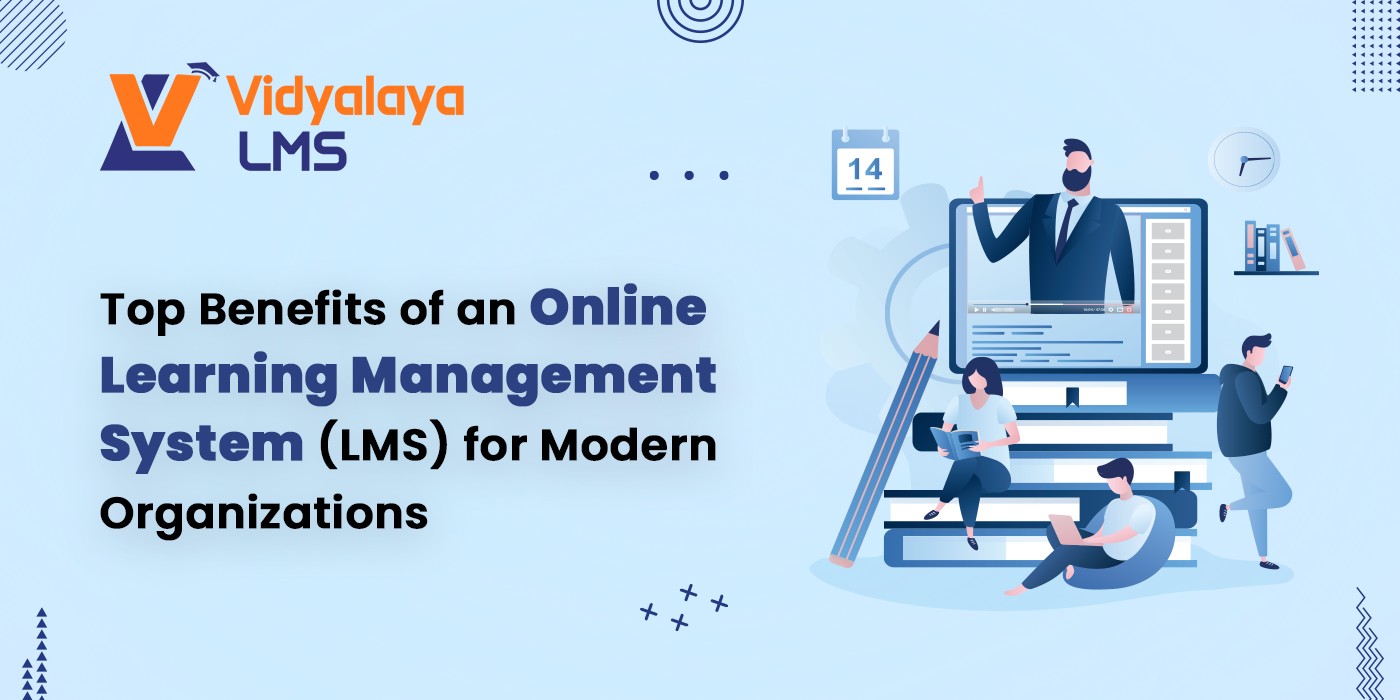
Organizations, educational institutions, and startups are increasingly leveraging digital solutions to enhance learning and development. An Online Learning Management System (LMS) serves as a centralized platform that enables seamless delivery of training programs, onboarding processes, and online courses. By consolidating learning resources in one place, an LMS ensures consistent, scalable, and structured learning experiences for all learners.
A modern Online LMS goes beyond content delivery by offering features like progress tracking, assessments, and personalized learning paths. These capabilities allow organizations to monitor employee growth, identify skill gaps, and adapt training programs to meet evolving business needs. By aligning learning initiatives with organizational goals, companies can drive measurable improvements in performance and productivity.
Investing in the right LMS not only streamlines learning processes but also enhances engagement and retention. Interactive content, automated notifications, and intuitive user interfaces make learning more accessible and motivating. For businesses looking to stay competitive, improve workforce capabilities, and foster a culture of continuous learning, implementing a robust Online LMS is no longer optional—it’s essential.
1. Anytime, Anywhere Learning:
One of the biggest advantages of an Online LMS System is flexibility. Learners can access training materials anytime and from any location. This is especially important in today’s remote and hybrid work culture.
Instead of coordinating schedules and physical spaces, organizations can provide on-demand learning. Employees can complete modules at their own pace without disrupting their daily responsibilities.
2. Centralized Training Management:
Managing training manually can be overwhelming. Spreadsheets, email threads, and physical documents often create confusion and inefficiencies.
An Online Learning Management System centralizes everything in one platform:
- Course materials
- Assessments
- Certifications
- Learner progress
- Reports and analytics
This streamlined management saves time and reduces administrative workload.
3. Cost-Effective Learning Solution:
Traditional training programs often require travel expenses, venue bookings, printed materials, and instructor fees. These costs add up quickly.
With Online Learning Management Software, organizations can significantly reduce training expenses. Once the content is created, it can be reused, updated, and distributed to unlimited learners without additional logistical costs.
4. Personalized Learning Paths:
Modern learners expect personalized experiences. Corporate Training Software allows organizations to create customized learning paths based on roles, departments, skill levels, or career goals.
For example:
- New employees can follow onboarding modules.
- Managers can access leadership training.
- Technical teams can receive skill-based certifications.
Personalization increases engagement and improves knowledge retention.
5. Real-Time Tracking and Performance Insights:
One of the most powerful features of an LMS System is data tracking. Administrators can monitor:
- Course completion rates
- Assessment scores
- Learner engagement
- Skill gaps
This data helps organizations measure training effectiveness and make informed decisions to improve learning strategies.
6. Improved Engagement Through Interactive Content:
Modern LMS Software supports multimedia content such as:
- Videos
- Quizzes
- Gamification
- Discussion forums
- Live virtual sessions
Interactive learning keeps users engaged and enhances understanding compared to traditional lecture-based training.
7. Scalability for Growing Organizations:
As organizations grow, their training needs increase. LMS for Enterprise easily scales with business expansion. Whether you’re training 20 employees or 2,000, the platform can accommodate growth without compromising quality.
This scalability makes LMS solutions ideal for startups, SMEs, and large enterprises alike.
8. Supports Continuous Learning and Skill Development:
In today’s competitive market, continuous learning is essential. Industries are evolving rapidly, and employees need to update their skills regularly.
Online Training Software encourages a culture of ongoing development. It enables organizations to offer regular upskilling programs, certifications, and knowledge-sharing initiatives.
Conclusion:
A Corporate Training LMS is a powerful tool that helps organizations streamline learning, enhance employee skills, and drive measurable business outcomes. By centralizing training content, enabling personalized learning paths, and tracking progress, it ensures that employees receive consistent, engaging, and effective development opportunities. This not only improves workforce performance but also fosters a culture of continuous learning, keeping your organization agile and competitive.
Vidyalaya LMS provides a comprehensive solution to transform your corporate training programs into structured, scalable, and results-driven initiatives. Contact us for a free demo today to see how our platform can optimize your learning and development strategy, empower your employees, and deliver tangible business value.