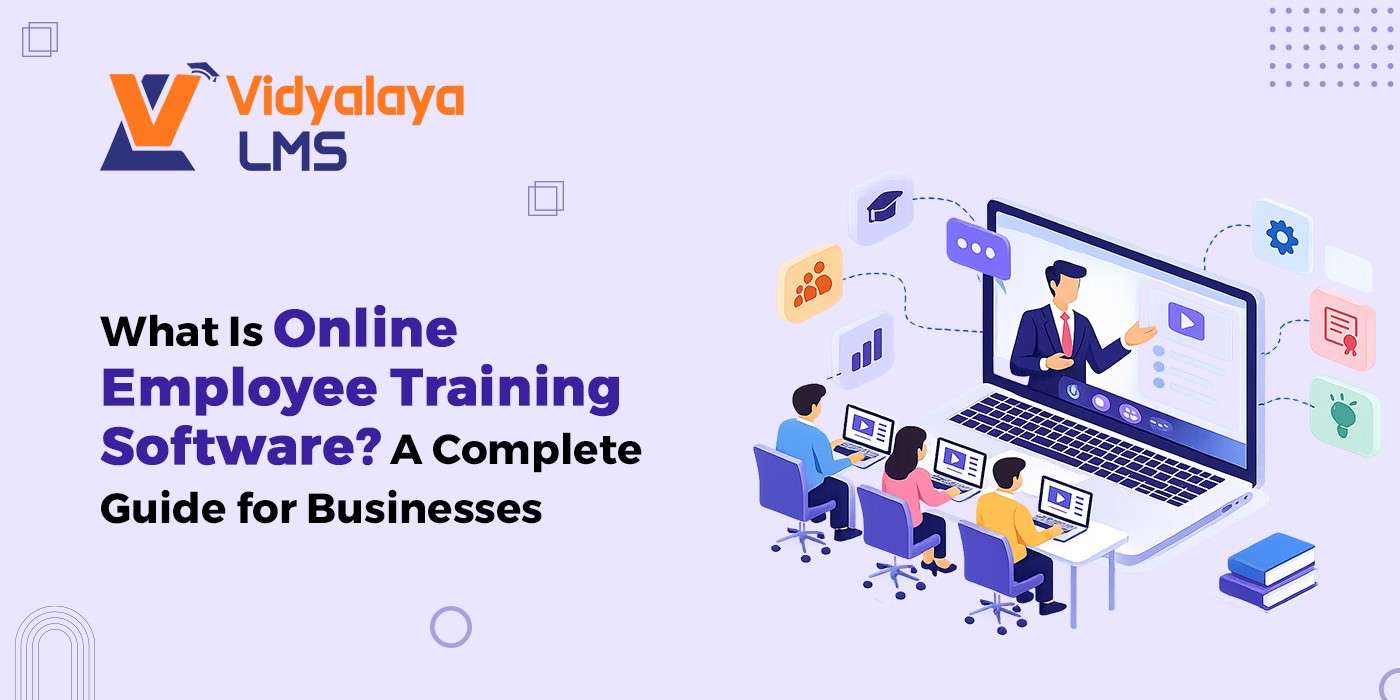






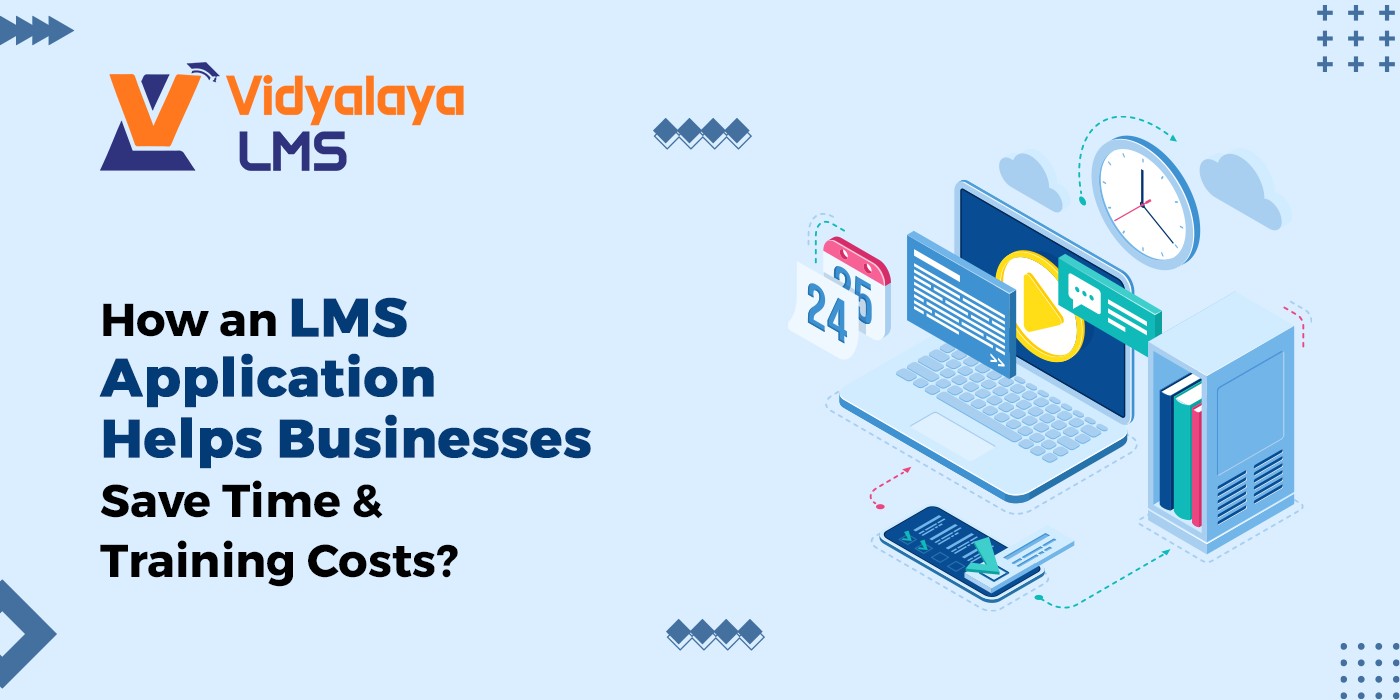
Employee training is essential for business growth but managing it manually can be time-consuming and costly. Tasks such as scheduling sessions, sharing materials, tracking attendance, and evaluating performance often require significant administrative effort. An LMS Application helps businesses automate these activities, reduce repetitive work, and manage training more efficiently from one platform.
Traditional training methods often rely on classrooms, printed materials, spreadsheets, and manual communication, which become difficult to manage as businesses grow. A digital learning solution enables employees to access training online while giving administrators better control over courses, progress, and assessments. This helps organizations save time, reduce training expenses, and build a more scalable learning process.
What Is an LMS Application?
An LMS Application is a digital solution designed to help organizations create, deliver, manage, and track employee training programs.
Instead of managing different training activities through separate tools, organizations can use one platform to handle:
- Course creation and management
- Employee enrollment
- Training content
- Assessments and quizzes
- Learning progress
- Certifications
- Reports and analytics
- Communication with learners
This centralized approach makes training easier for both administrators and employees.
How a Learning Management System Application Saves Time?
One of the biggest advantages of a Learning Management System Application is automation. Many repetitive training tasks can be handled digitally, reducing the amount of manual work required by HR and training teams.
Automated Course Enrollment
Employees can be automatically assigned courses based on their department, role, or training requirements. This eliminates the need to manually manage every learner.
Digital Assessments
Quizzes and assessments can be conducted online, with results recorded automatically. Trainers do not need to spend hours checking and maintaining assessment records.
Automatic Progress Tracking
The system can track course completion, assessment performance, and learner activity in one place.
Faster Reporting
Training managers can generate reports without collecting information from multiple spreadsheets or departments.
Centralized Communication
Training announcements, reminders, and course updates can be shared through the same platform.
Ways in Which LMS Software Aids in Cutting Training Costs
Training costs tend to rise sharply if companies are highly dependent on physical training environments, paper-based training, travel, and outsourced training. Employee Training Software assists in reducing training costs through the shift of training into the digital realm.
Less Traveling Costs Involved
Employees will be able to undertake online training without traveling to an entirely new place meant for conducting such training.
Cost Effective Learning Material
A course developed once can be delivered to several employees at once without having to repeat the entire process.
Less Administrative Burden
Automation will reduce the amount of time that human resources and training departments will take carrying out repetitive tasks.
Role of a Learning Management Platform in Employee Development
A Learning Management Platform provides a structured environment where employees can access learning resources and develop their skills continuously.
Businesses can use the platform for:
- Employee onboarding
- Compliance training
- Product training
- Technical skill development
- Leadership programs
- Soft-skill development
- Professional certifications
Having these programs available through one platform makes it easier to maintain consistent training standards across the organization.
Online Training Application for Flexible Learning
It enables employees to learn even when they are not limited by the specific location or time.
The courses can be accessed using computers, tablets, and mobile devices depending on how an organization has set up its learning process.
It is very helpful in cases where there is remote or hybrid teams. The employees can learn when they have free time.
Why Businesses Should Move Away from Manual Training Management?
Manual training processes can create several challenges:
- Repetitive administrative work
- Difficult progress tracking
- Higher printing and classroom costs
- Delayed reporting
- Communication gaps
- Difficulty managing large employee groups
A centralized digital learning environment addresses many of these issues by bringing training information and activities together.
How a Corporate LMS Supports Growing Organizations?
It is particularly useful for organizations with employees across multiple departments, branches, or locations.
It enables businesses to create standardized training programs while allowing employees to learn from different locations. New employees can complete onboarding programs, existing employees can develop new skills, and managers can monitor training progress through a centralized system.
As the organization grows, the learning platform can support additional employees and training programs without requiring the same increase in administrative effort.
Making Training More Measurable
Saving time and money is important, but businesses also need to understand whether training is working.
A digital learning platform can provide useful information about learner participation, course completion, assessment results, and training activity.
This allows organizations to identify:
- Courses with low completion rates
- Areas where employees need additional support
- Training programs with strong engagement
- Skill development requirements
- Opportunities to improve learning content
With better visibility, businesses can make informed decisions about future training investments.
Conclusion:
For growing businesses, efficient employee training is no longer just about delivering courses—it is about saving time, controlling costs, and achieving measurable learning outcomes. By moving away from manual processes and adopting a centralized digital training solution, organizations can simplify administration, improve employee accessibility, standardize training, and gain better visibility into learning performance. This makes training more scalable and aligned with long-term business goals.
Vidyalaya LMS helps businesses manage employee learning through a structured and efficient digital platform designed to support organizational growth. If you are looking to simplify training management, reduce operational costs, and improve learning outcomes, contact us today for a free demo and discover how Vidyalaya LMS can support your business.