






As organizations shift toward digital-first operations, the way employees learn and develop within a company is also evolving. Businesses are increasingly moving away from traditional training methods and adopting structured digital learning systems that make skill development more organized, measurable, and accessible. Learning Management Systems (LMS) and modern online training software have become essential tools in this transformation, helping companies streamline onboarding, training delivery, and employee upskilling through a centralized platform.
Today’s competitive business landscape demands a workforce that can quickly adapt to new technologies and changing job roles. Managing training manually often leads to inconsistency, delays, and increased administrative workload. This is why organizations are turning to advanced LMS platforms to automate learning processes, improve training efficiency, and ensure continuous employee development. However, selecting the right solution requires careful evaluation of scalability, usability, and long-term business alignment.
What Is an LMS for Training?
An LMS for Training is a digital system designed to create, deliver, track, and manage employee training programs. It acts as a central hub for all learning activities within an organization.
A modern training management system typically includes:
- Course creation and content management
- Employee onboarding modules
- Online assessments and quizzes
- Progress tracking and reporting
- Certification and compliance management
These features make training more structured, measurable, and efficient.
Why Organizations Need a Corporate Training LMS?
A corporate training LMS helps organizations standardize learning across departments and locations. Instead of scattered training methods, companies can provide a unified learning experience.
Key reasons include:
- Consistent employee training across teams
- Faster onboarding of new employees
- Reduced training costs
- Improved employee performance
- Better tracking of learning outcomes
With the right system, organizations can build a strong learning culture.
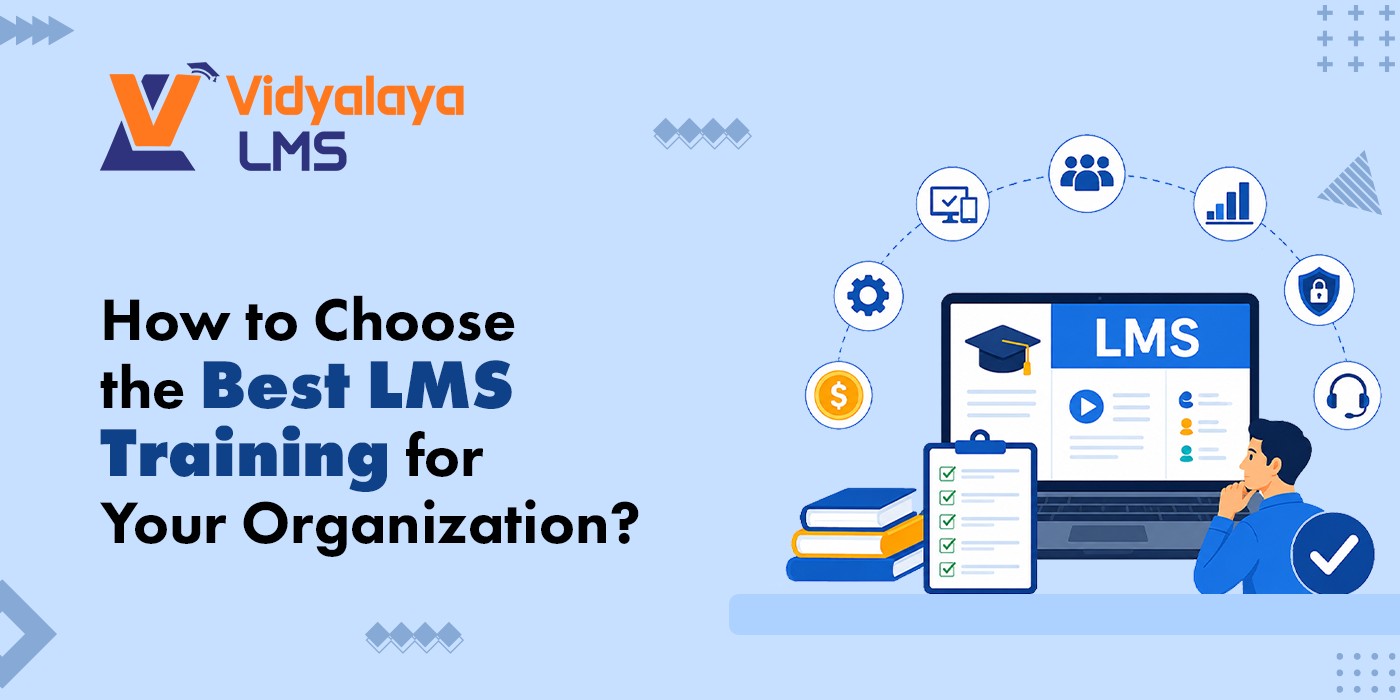
Important Aspects That Should Be Considered While Selecting the Best Training LMS:
- User-friendliness: One of the important aspects that will ensure effective implementation of the training program via the selected LMS is user-friendliness.
- Scalability: Your employee learning platform must be able to cope with the growing number of learners, training programs, and other activities effectively.
- Automation Options: A convenient online training program should provide some automation of processes such as course enrolment, reminders, assessment of results, etc.
- Analytical Capabilities: Your training software must provide detailed reports about the performance of your employees and the overall effectiveness of the process.
- Integration Possibilities: Integration with different HR tools, payroll programs, and other software solutions is another important aspect to pay attention to while making your choice.
- Variety of Content Formats: Different formats of the materials can improve the efficiency of training programs implemented through the LMS significantly.
- Availability on Mobile Devices: All employees must have an opportunity to access the LMS and the course materials using their smartphones.
Benefits of Using LMS for Employee Training:
Implementing LMS for employee training provides several advantages:
- Faster and more efficient onboarding
- Continuous skill development
- Improved employee engagement
- Reduced training costs
- Better knowledge retention
- Scalable training programs
These benefits help organizations stay competitive in a rapidly changing business environment.
Common Challenges Without a Training System:
Organizations that do not use an employee learning platform often face:
- Inconsistent training delivery
- Lack of progress tracking
- High training costs
- Poor employee engagement
- Difficulty managing large teams
A structured corporate training LMS helps solve all these challenges efficiently.
Conclusion:
Selecting the right learning platform is a strategic decision that directly impacts employee performance, productivity, and long-term organizational growth. A well-structured LMS helps businesses standardize training, improve knowledge delivery, and ensure continuous skill development across teams. Instead of relying on manual and inconsistent methods, organizations can build a more efficient and scalable learning ecosystem by adopting a modern digital training solution.
Choosing the Best LMS for Training ensures that your organization stays competitive by enabling smarter learning, better tracking, and improved training outcomes. If you are planning to upgrade your training process, Vidyalaya LMS offers a powerful LMS solution designed to simplify employee development and training management. Contact us today for a free demo and see how our platform can transform your training experience.